Steps to Take When a Loved One with Dementia Goes Missing
Immediate steps when a person with dementia goes missing
If you discover that a loved one with dementia has left home or care without you knowing, begin searching the property and immediate neighbourhood first. Check every room, the garden, and any outbuildings. Look in places they used to favour in their younger years, a former workplace, a childhood home, or a familiar park. If they are not found within 15 to 30 minutes, contact the police. Do not wait for a set period. Tell the dispatcher clearly that the missing person has dementia and that they are prone to wandering. Provide a recent photograph, a description of what they were wearing, and any known routes or locations they might head toward.
While waiting for help, keep a phone line open with other family members who may be searching nearby. Designate one person to stay at home in case the person returns. Alert neighbours and ask them to check their own yards, garages, and sheds. Wandering behaviour in dementia is often purposeful to the person but confusing to others, they may be looking for a place that no longer exists or trying to complete a routine task like going to work or visiting a parent.
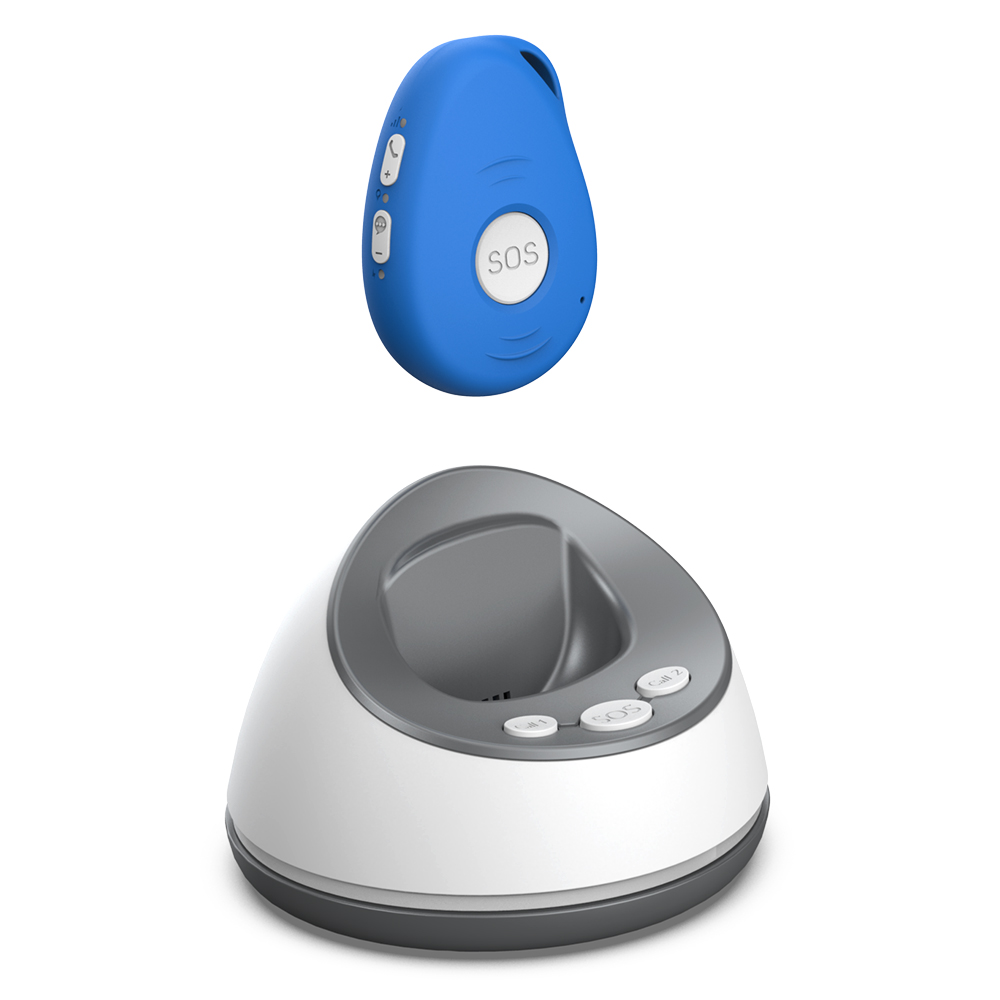
Once the immediate search is underway, consider how technology can assist in preventing such situations or in locating someone faster. A device such as a dementia GPS tracker can provide real-time location data, which is especially useful when the person cannot communicate their whereabouts. The site familyr.co.nz offers a solution designed for New Zealand families, combining GPS and Wi-Fi location with fall detection and two-way communication, without ongoing monthly fees.
Understanding why wandering happens
Wandering is a common and challenging behaviour in dementia. It can stem from disorientation, anxiety, or a desire to return to a place from the past. The person may no longer recognise their own home or may feel a strong urge to "go home" to a childhood residence. Fatigue, hunger, or a change in routine can also trigger wandering. Some individuals wander because they are bored or restless, while others are driven by a need to complete a task, like taking children to school or going to a job they held decades ago.
Knowing the likely triggers for your loved one can help you anticipate and reduce wandering episodes. Environmental factors such as noise, clutter, or unfamiliar visitors can increase confusion. Late afternoon and evening, often called the "sundowning" period, can be a high-risk time. Fatigue and low light make orientation harder. Tracking patterns of wandering, time of day, location, and apparent goal, helps in creating a personalised care plan.
Building a care plan that includes wandering prevention
A care plan for a person with dementia should include strategies to reduce the risk of wandering. Start with environmental modifications. Install simple door alarms or bells that alert you when a door is opened. Place locks out of sight or at the top or bottom of doors, where they are less obvious. Use camouflage, paint doors the same colour as the wall or cover the doorknob with a cloth. Ensure that windows are secure, especially on ground floors.
Create a structured daily routine that includes meaningful activities. Regular meals, walks, and rest times help anchor the person in time and reduce confusion. Physical activity during the day can improve sleep at night and lower restlessness. Keep a consistent sleep schedule. If the person tends to wander at night, limit fluids in the evening and ensure they use the toilet before bed.
Consider enrolling the person in a MedicAlert or similar identification programme. A bracelet or necklace with contact details and a note about their dementia can help strangers and responders assist them. Keep a list of places the person has lived, worked, or visited frequently, and share it with neighbours and local businesses. The more people who know the person and their habits, the faster a search can be organised.
Using technology to help locate a missing person with dementia
Technology can be a powerful partner in wandering prevention and response. A dementia GPS tracker worn as a pendant, watch, or clipped to clothing provides continuous location information. Some devices use GPS satellites to track outdoor movements and Wi-Fi positioning to locate the person inside buildings or urban areas. This combination means the device can show where the person is, whether they are at the park or in a shop, as long as the device has power and a signal.
When choosing a tracker, look for features that match your situation. Battery life matters, a device that needs daily charging may be forgotten or left off. Water resistance is important if the person might wander in rain or near water. Two-way communication can be helpful: a caregiver can talk to the person through the device, reminding them to stay put or guiding them home. Fall detection adds another layer of safety, automatically alerting emergency contacts if the person falls and cannot get up.

One resource for New Zealand families exploring this technology is the website familyr.co.nz. The service there provides a device with GPS and Wi-Fi location, SOS alerts, fall detection, and two-way communication, all without monthly fees. This can make continuous monitoring more accessible for families on a budget.
Working with local emergency services
When a person with dementia goes missing, time is critical. The longer they are out of contact, the greater the risk of dehydration, injury, or exposure. Police and search-and-rescue teams are trained to respond, but they need accurate information. Have a prepared folder with the person's photo, medical conditions, medication list, and a description of their typical behaviour. Note any mobility issues, do they use a walker or cane? Are they afraid of dogs or traffic? This helps responders understand how far the person might travel and what dangers they might face.
Inform the police about any GPS tracker the person is wearing. If the device has a web portal or app that shows location history, share that data with the search coordinator. Some trackers allow you to set up a geofence, a virtual boundary around home or a safe zone. If the person crosses that boundary, you receive an alert. This can give you a head start in the search and reduce the distance they travel.
Register the person with local dementia support organisations. Many have wandering response programmes that work alongside police. Some also provide free or low-cost tracking devices for qualifying families. Keep contact details for these organisations near the phone.
Preparing for future incidents
No single strategy works for every person with dementia. The best approach is to combine environmental safety, daily routine, human support, and technology. Review the care plan regularly, especially after a wandering incident. Ask the person, if they are able, about what prompted them to leave. Adjust the environment and routine based on what you learn. Involve the person in decisions where possible, they may be more willing to wear a tracker if they understand it helps them stay independent.
Talk to neighbours and local shopkeepers. Let them know your loved one has dementia and may appear confused. Give them a phone number to call if they see the person alone. Build a small network of eyes and ears in the community. This can be as informal as a chat over the fence or as structured as a neighbourhood watch group focused on vulnerable adults.

Keep a recent, clear photo of the person on your phone and in a visible place at home. Update it every few months as their appearance changes. Have a written description of their typical clothing and any distinctive accessories, like a hat or walking stick. When you call the police, being able to provide this information immediately can save valuable minutes.
Finally, take care of yourself. The stress of a missing loved one is immense. Have a support system of family, friends, or a local caregiver group. After the person is found safe, give yourself time to recover. Review what worked and what did not, and refine your plan. Wandering may happen again, but with preparation and the right tools, including a reliable dementia GPS tracker, you can respond calmly and effectively.